
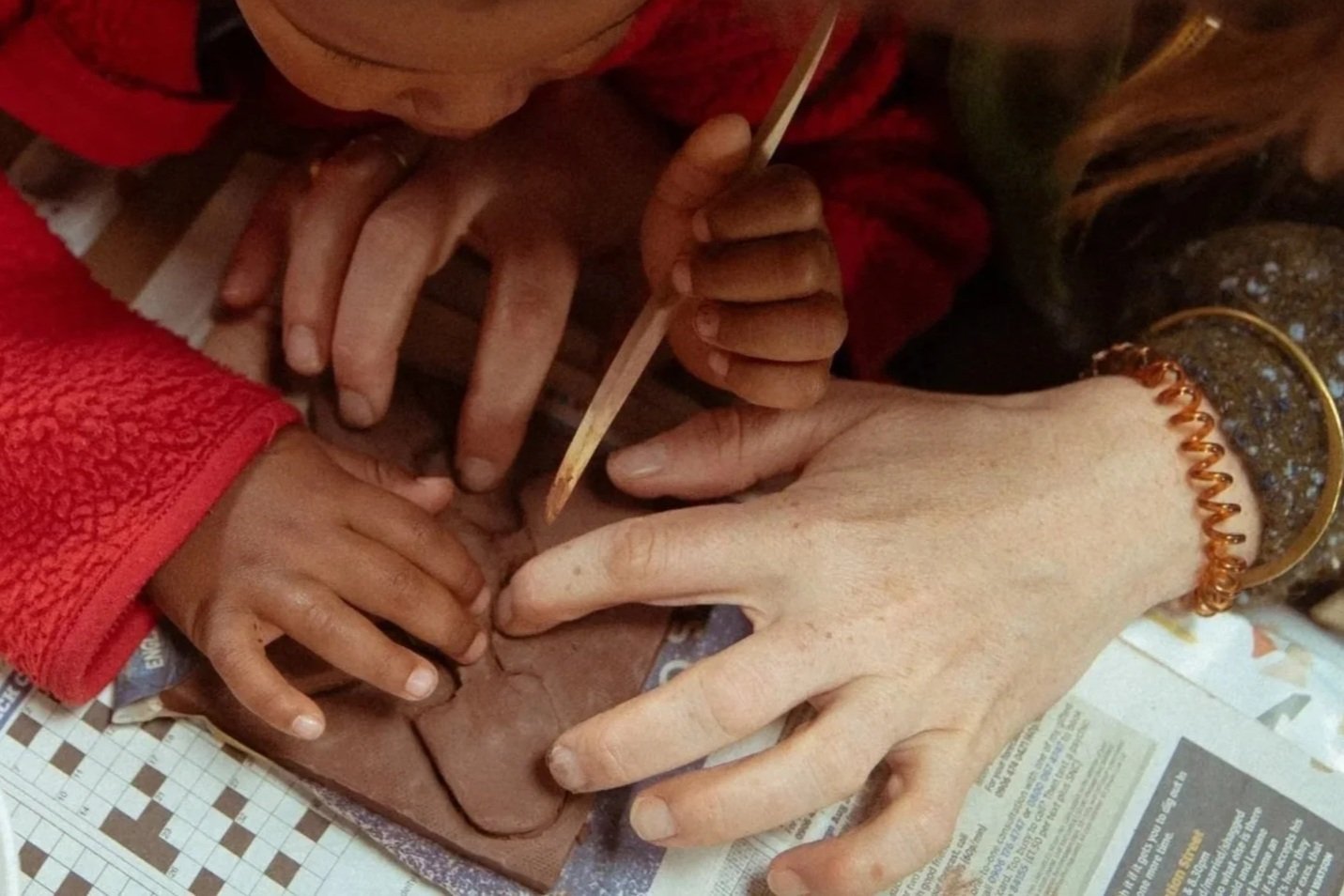
A Community-minded Pottery Studio
From our studio on Markfield Road, N15, and out in the local community, we use pottery to bring people together, encourage creative thinking and make more considered choices about how we practise our craft.

Pottery, Community & Creativity in South Tottenham
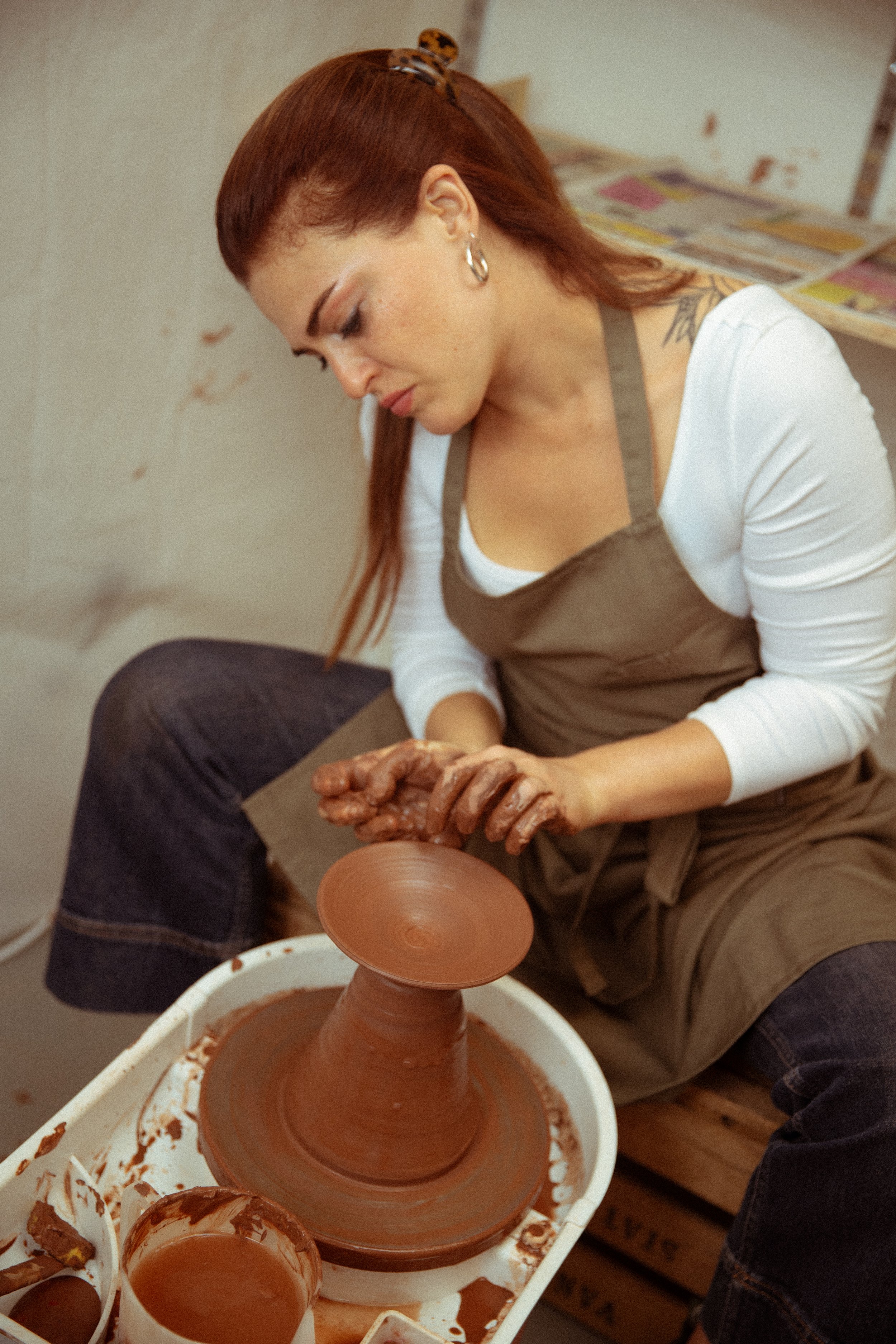
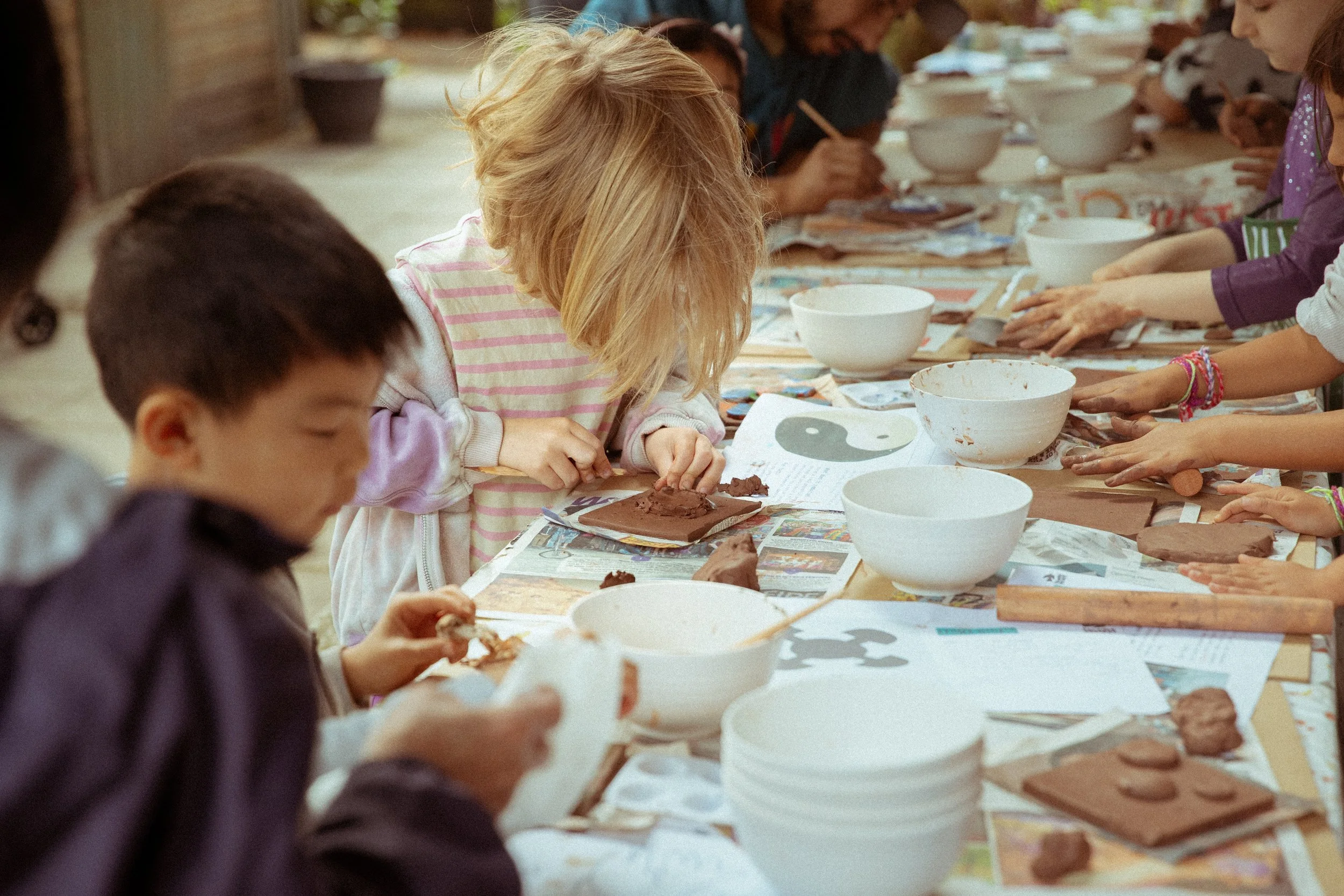
We offer wheel throwing classes from our N15 studio, alongside handbuilding pottery classes for kids and adults in local cafés, primary schools, community centres and other spaces around London.
Paloma Pottery also has its own collection of handmade pottery coming soon, bringing the same love of terracotta, intentional crafting and everyday creativity to your home.
But while pottery is the medium, the concept behind Paloma Pottery is broader: we want to use clay as a way to build more connected communities, encourage curious and creative thinking across age groups, and practise our craft with respect for the environment.
Why Terracotta?
Practising our Craft Using Lower-Temperature Firings
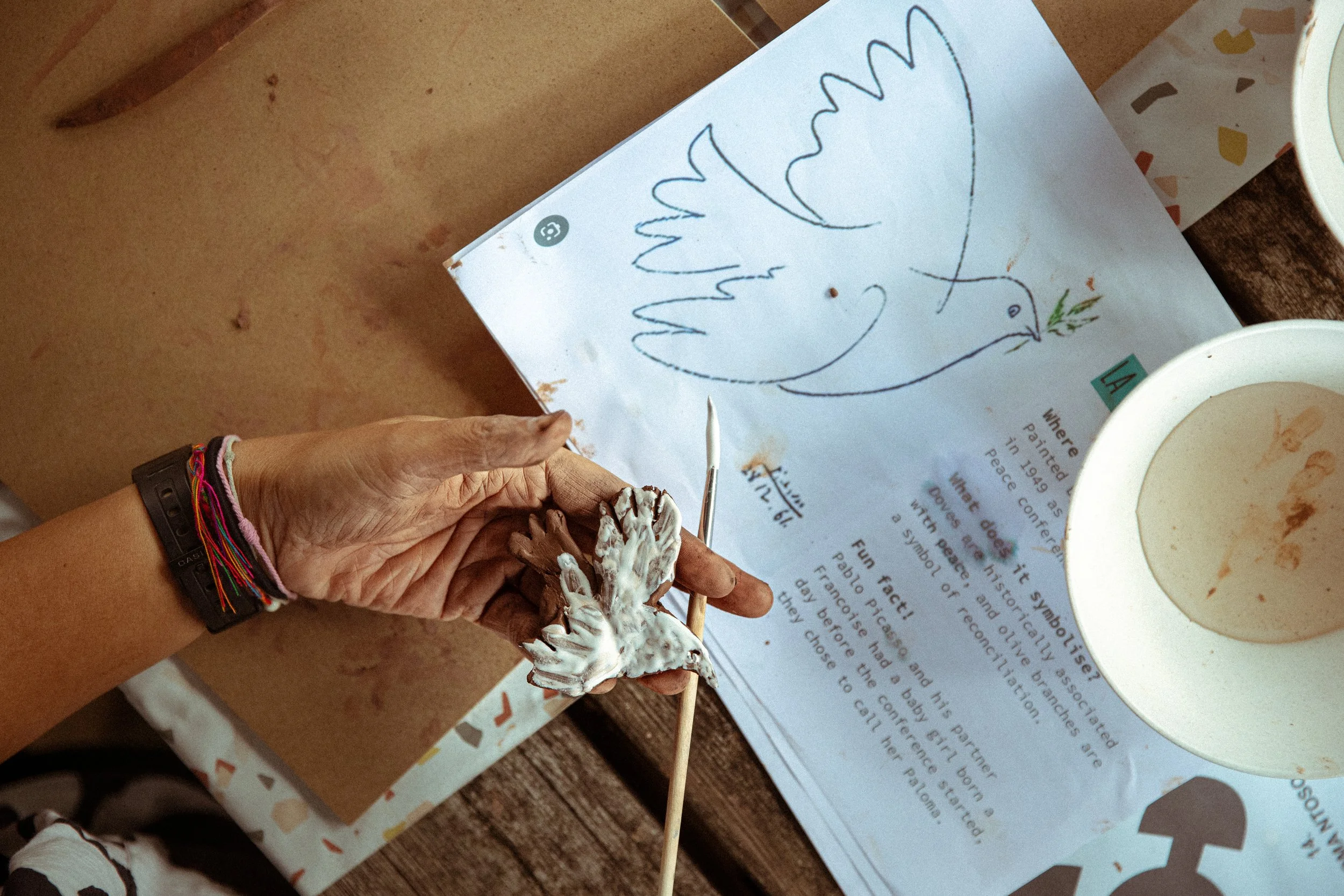
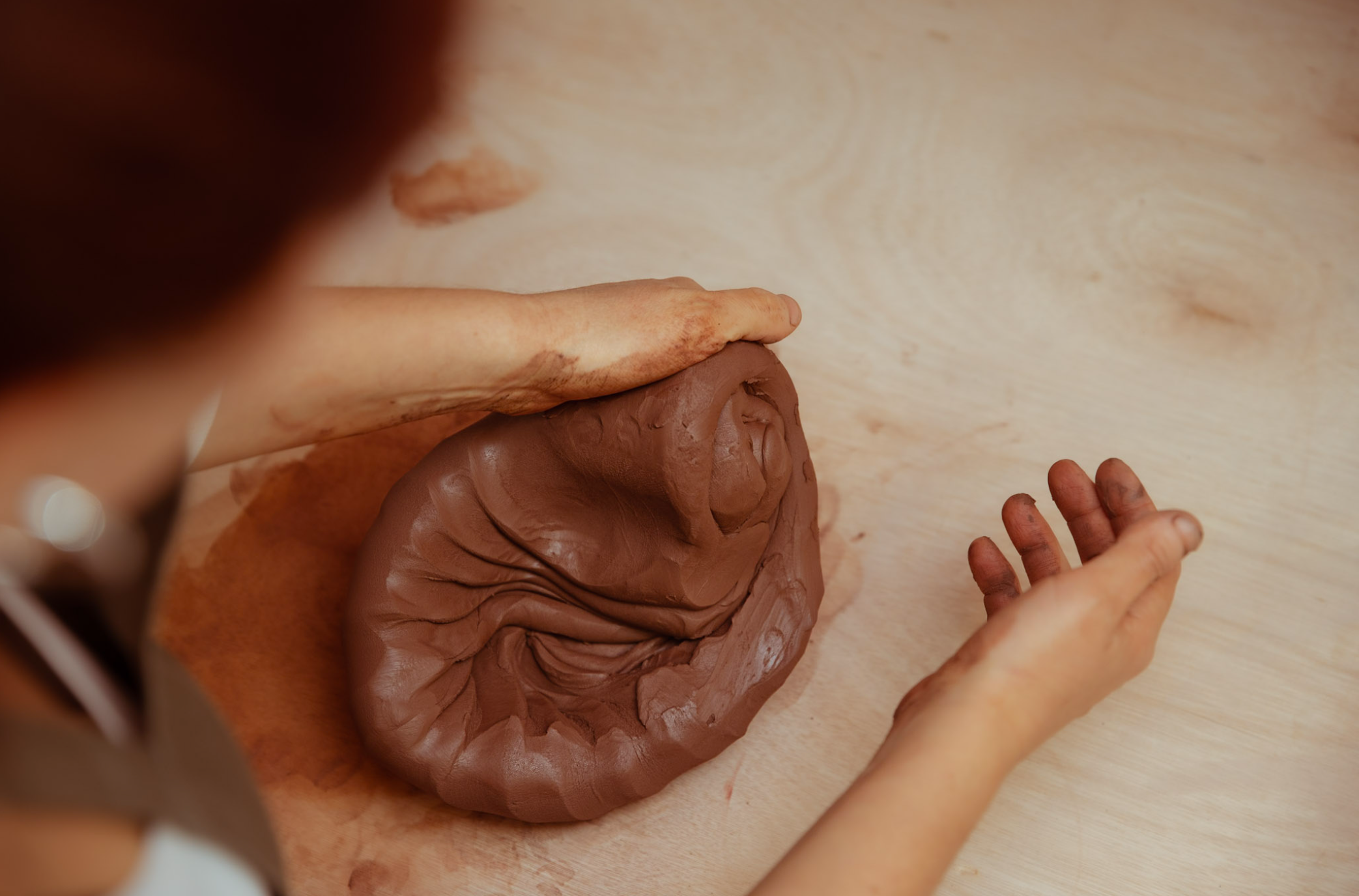
Terracotta literally means “baked earth” in Italian. This iron oxide-rich clay body has been used by humans for over 25,000 thousands of years, and today it sits at the heart of everything we do at Paloma Pottery.
During a glaze firing, terracotta is baked at “earthenware” temperatures. Compared with “stoneware” - a higher temperature firing range popular in studio pottery typically glaze firing between 1,220°C to 1,280°C - only working in terracotta allows us to run glaze firings at earthenware temperatures. At Paloma Pottery we fire the kiln to 1060°C, so 200°C lower than stoneware glaze firings.
By choosing to work exclusively in terracotta, we can continue learning, teaching and developing our craft while keeping the emissions associated with our kiln firings more in check. As a small business, this also reduces our electric bills at a time of soaring energy costs.
But there are also plenty of creative reasons to love terracotta too! As a clay body, terracotta is warm, earthy, tactile and full of character, making it a grounding and soothing material to work with. Besides this, lower firing temperatures allow us to work in a body of exciting, vibrant colours. Find examples of this coming soon to our shop.
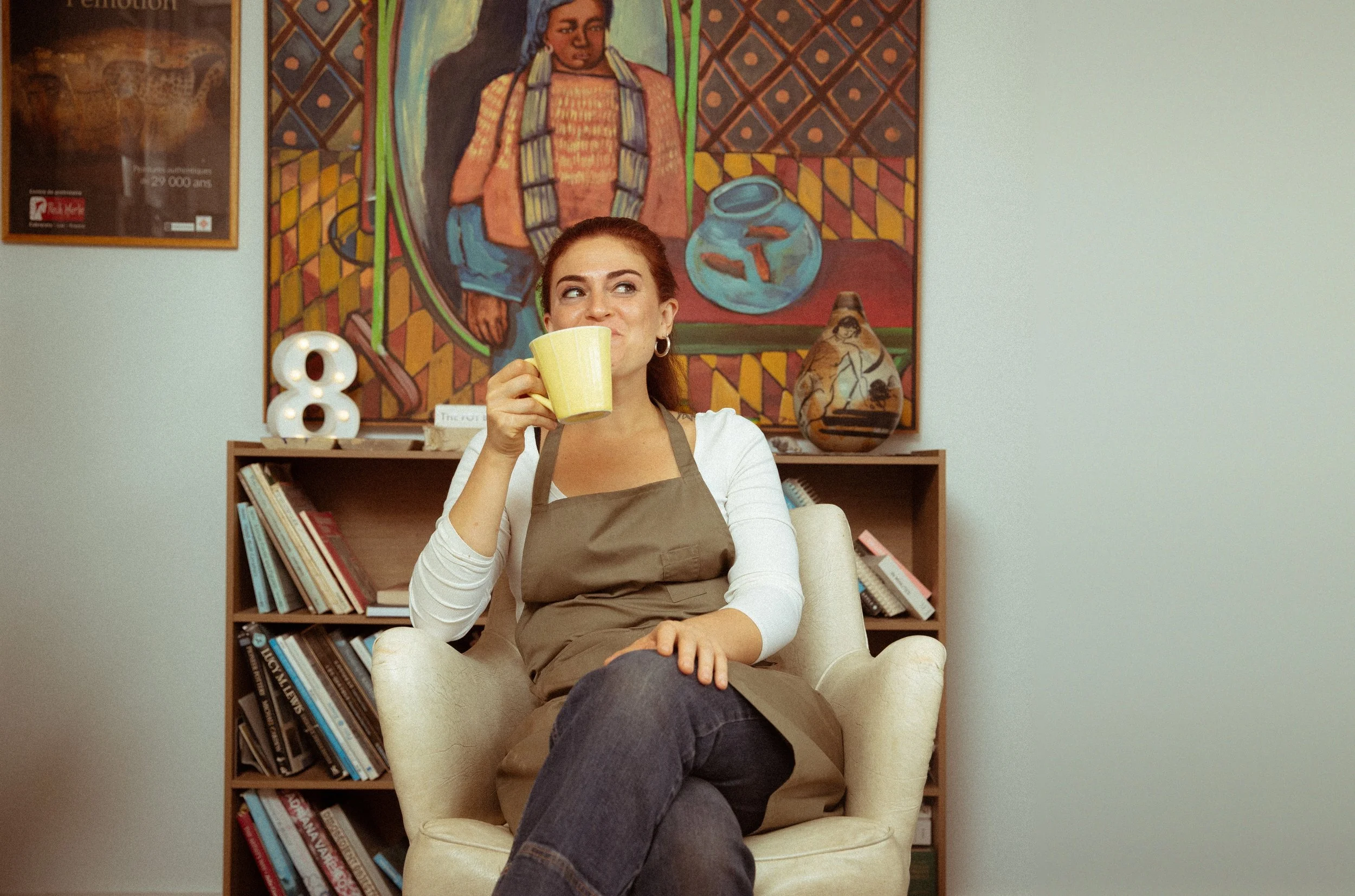
Meet the Founder of Paloma Pottery
Hi, I’m Beatriz, and this is how the concept behind Paloma Pottery took shape
I first came across pottery in 2011, during my final year of an Anthropology and Politics degree. I can’t remember the first piece I made - but I can still vividly recall that “lightning bolt moment” people talk about, an unforgettable feeling of being connected to something expansive beyond myself.
Since then, my dual interest between pottery and anthropology/politics has led me to work between ceramics and the international/UK development sector on education and environmental/climate projects. Whilst initially feeling these two interests pulled me in different directions, over time I’ve understood how they overlap, and have ultimately informed my vision for what I hope Paloma Pottery will be in two main ways:
1. Working with Turquoise Mountain in Kabul, Afghanistan as their ceramics consultant between 2017-18, then with the Metropolitan Museum of Art leading a project in Marrakesh, Morocco with artisan potters in 2020-22, impressed on me the extent to which artisans still practicing traditional production methods are vulnerable to environmental and socio-economic pressures, often determining their ability to continue practising their work at all. And with those observations came an appreciation of how today’s artisans must be proactively supported to remain able to continue practicing their crafts as makers of tomorrow’s cultural heritage.
2. Working on community based climate change/environmental projects, in particular my time with Groundwork UK in 2023 - 25, really drove home just how much more resilient to shocks (such as those we are increasingly facing from the climate emergency) connected communities are, as compared to disconnected communities, where we barely know who our neighbours are, and wouldn’t know who to turn to locally in the event of a problem/emergency. The words of a former colleague remain with me still, the importance of “building community during times of peace.”
So, Paloma Pottery is an attempt to build bridges between these different areas:
proactive support of today’s artisans through understanding how our work relies on - as well as affects - the environment in which it is produced;
proactive support to help connect communities - especially during “times of peace.”
Today, we start in South Tottenham, offering terracotta pottery classes to kids and adults with community building in mind. Tomorrow, the hope is to be able to return to working with artisans from other parts of the world, and in so doing support their ability to practice their craft also.
Thank you for joining in this journey. I’ll admit I’m a mix of excited and nervous, but I’m looking forward to seeing how things shape up! If any of this sparks an idea, feedback or project you want to discuss, please just drop a line.
the bigger idea
The Medium Is Pottery. The Concept Is Broader.
1.
We take pottery into the community because it can make creative experiences more accessible, build bridges between different groups and connect us with like-minded local businesses and organisations.
2.
We work exclusively in terracotta because firing at lower temperatures keeps emissions associated with our glaze firings down.
3.
We develop our kids' pottery classes with creative problem solving, environmental learning and curiosity about different cultures in mind because we believe curious, creative kids grow into curious, creative thinkers.
Connected communities. Respect for Mama Earth. Creative thinking.
Join us at Paloma Pottery
Whether you're looking for a pottery class for your child, want to learn wheel throwing yourself or simply want to spend more time making, come find us in South Tottenham.